
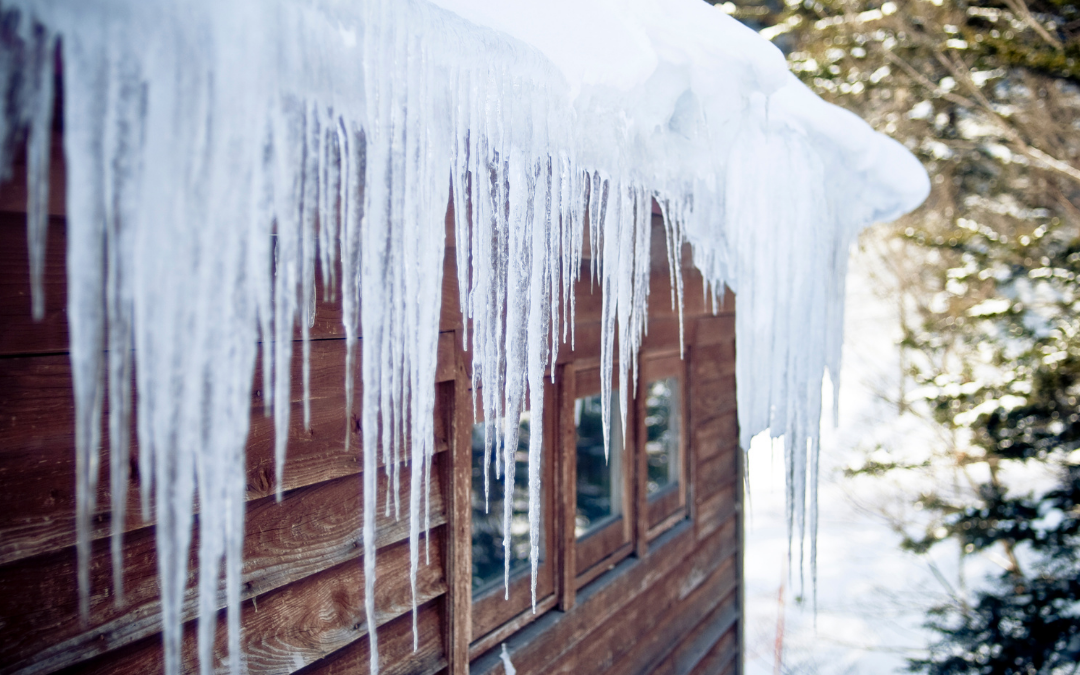
Recent ice storms have been a reminder of how quickly winter weather can put stress on a home. Heavy ice buildup, followed by rapid melting, creates a one-two punch that can lead to damage many homeowners don’t notice right away. Even if everything looks fine at first glance, ice and meltwater have a way of finding weak spots.
Understanding where problems tend to show up can help you catch issues early and avoid more expensive repairs down the road.
Why Ice and Melting Are So Hard on Homes
Ice is heavy. When it accumulates on roofs, gutters, trees, and siding, it puts pressure on materials that weren’t designed to carry that kind of load. When temperatures rise and ice starts to melt, water moves fast—and often in places it shouldn’t go.
This freeze-thaw cycle is one of the most common causes of winter-related home damage.
Common Areas to Check After an Ice Storm
Roof and Shingles
Ice buildup can loosen shingles, damage flashing, and create small openings where water can seep in once melting begins. Even minor damage can lead to leaks that don’t show up until weeks later.
What to watch for: missing shingles, lifted edges, water stains on ceilings.
Gutters and Downspouts
Ice-filled gutters can pull away from the house or crack under the weight. When melting starts, blocked gutters cause water to back up under roofing or spill down near the foundation.
What to watch for: sagging gutters, separated seams, water pooling near the house.
Siding and Exterior Trim
Melting ice can force water behind siding, especially around seams, trim, and corners. Repeated freezing and thawing may cause warping or cracking.
What to watch for: loose panels, soft spots, peeling paint.
Windows and Doors
Ice buildup and shifting temperatures can break seals around windows and doors, letting cold air and moisture inside.
What to watch for: drafts, condensation between panes, cracked caulking.
Foundation and Walkways
As ice melts, water can collect around the foundation. If the ground refreezes, it expands, leading to cracks in concrete and masonry.
What to watch for: new foundation cracks, uneven walkways, basement moisture.
Why Small Issues Shouldn’t Be Ignored
One of the biggest challenges with ice storm damage is that it often starts small. A loose gutter, tiny crack, or lifted shingle might not seem urgent. But as more melting occurs, those weak points can quickly turn into leaks, mold, or structural issues.
Early inspection and repairs can save you from larger problems once winter weather continues or spring rains arrive.
What to Do Next
After an ice storm, it’s smart to:
-
Walk your property when conditions are safe
-
Check attic and basement areas for moisture
-
Schedule a professional inspection if anything looks questionable
-
Address drainage issues before the next freeze or thaw
Protect Your Home Before the Next Weather Shift
Ice storms don’t just cause immediate damage, they often leave behind hidden issues that surface later. Taking the time to inspect and repair now helps protect your home through the rest of winter and into spring.
If you’re concerned about damage from recent ice and melting, our team can help assess your exterior and make repairs before small problems grow into major ones.